
Last Updated: April 1, 2026
Trends in Fashion and Apparel Technology
Ramandeep Singh
B.Tech, Dept. of Textile Engineering
Giani Zail Singh Punjab Technical University Campus,
Bathinda, Punjab, India
Email: [email protected]
Purposes:
The purpose of studying trends in fashion and apparel technology is to examine previous, current, and upcoming directions in the market. Fashion and apparel technology is a relatively novel and expanding area within the fashion and textile industry. It includes the design process, material selection, product development, and the latest market trends shaped by changing customer requirements.
Method:
Contemporary fashion increasingly uses advances in science and technology to design, develop, and manufacture fashion products. Methods used in fashion and garment production draw on technologies developed in chemistry, computer science, aerospace engineering, automotive engineering, architecture, industrial textiles, and performance sportswear. Today, AI-assisted trend forecasting, computer-aided design, 3D visualisation, digital printing, automation, and smart manufacturing are becoming increasingly influential in the apparel sector. Fashion projects an image of rapid change and forward thinking, making it a productive environment for the adoption of new technologies in production methods, materials, and retail systems. As technology becomes more integrated into everyday life, its influence on what people wear and how apparel is designed, produced, and marketed continues to increase.
Findings:
Textile designers show increasing interest in combining chemical and mechanical processes to develop fabrics that are both aesthetically appealing and functionally effective. This interest supports new product development and helps shape current trends in apparel and fashion technology. In the present market, major directions include sustainable materials, circular fashion, digital customisation, smart textiles, and seasonally responsive styling. This article examines recent seasonal trends, emerging market directions, and the strategy behind changes in fashion and design.
Objectives:
- Gain a greater understanding of the societal, cultural, and political restraints that prompt individuals either to conform to or resist change.
- Gain an understanding of the concepts of cultural assimilation and acculturation.
- Understand that political and social change in dress can be influenced by social conflict, power structures, and economic systems.
- Improve market value.
- Improve customer satisfaction.
- Gain insight into new developments in the field of fashion and apparel technology.
Introduction:
Fashion trends and apparel technology can be understood as part of a broader system of cultural change and group identity. The development of new trends depends on climate, culture, weather, textile materials, and, increasingly, digital media and global fashion exchange. As a result, fashion varies across regions and over time. Garments are produced from different fibres and fabrics to suit particular occasions, climates, and consumer preferences. In India, cotton and silk have long held an important place, while fashion preferences in recent decades have also been influenced by Western and other global styles. India is one of the world’s largest producers of textiles, garments, and cotton.
Fashion is a broad and dynamic concept that does not remain constant over time. From the 1950s onward, fashion in India has continued to change, yet it has remained vibrant, stylish, and graceful. Earlier, the industry had fewer formal designer labels, models, and global platforms than it does today, but it still demonstrated strong regional creativity and visual richness.
The garment and apparel industry involves the advertising, design, manufacture, merchandising, and sale of fashionable clothing. Each garment category is developed with a specific theme, purpose, and target market. To identify emerging trends, the apparel sector relies on designers, merchandisers, marketers, and trend forecasters who monitor changing consumer preferences and lifestyle patterns. The work of designers is not restricted to clothing alone; it also extends to accessories such as shoes, bags, jewellery, and related lifestyle products. Interest in fashion apparel continues to rise, and the corresponding opportunities and competition are increasing accordingly.
Current Fashion Trends in Apparel Technology:
Current fashion trends combine expressive aesthetics with comfort, functionality, and sustainability. Bright colours, strong prints, fluid silhouettes, and technology-driven materials continue to shape the market. In addition, consumers increasingly value versatility, traceability, and personalisation. The following trends reflect some of the most visible directions in the current apparel market.
Colored Jeans Are Back in Style:

Coloured denim has re-emerged in the current market, especially in pastel, earthy, and bold shades. Unlike earlier cycles dominated by skinny fits, current styles are more often seen in wide-leg, straight-leg, and relaxed silhouettes. Coloured jeans and denim separates add freshness to the wardrobe and can be styled with shirts, blouses, jackets, and blazers. Popular shades include red, pink, aqua, green, yellow, lavender, and soft mint tones.
Black Face Masks to Minimalist Black Accessories:

The pandemic-era black face-mask trend has largely evolved into a broader preference for minimalist black accessories and coordinated functional styling. In the current market, sleek black items such as compact bags, belts, sunglasses, footwear, and utility-inspired accessories pair easily with a wide range of outfits. This shift reflects the growing demand for functional pieces that also maintain fashion appeal.
Bold Color Blocking Is Trending:

Colour-block fashion remains visible in contemporary style, especially in dresses, knitwear, tailoring, and accessories. Striking combinations of hot pink, emerald green, tangerine, lemon yellow, cobalt, and turquoise continue to appear in both runway and retail collections. This trend is applied to clothing, shoes, handbags, and other accessories to create a bold and graphic effect.
Floral Jeans Trend:

Floral motifs continue to dominate warm-season fashion, and they now appear not only in dresses and tops but also in denim and coordinated separates. The floral jeans trend has expanded into a broader interest in botanical, tropical, and hand-drawn surface designs. These prints are available in both soft pastel palettes and stronger colour stories, and they are commonly balanced with jackets, cardigans, or simple tops.
Neon Colour Trend:
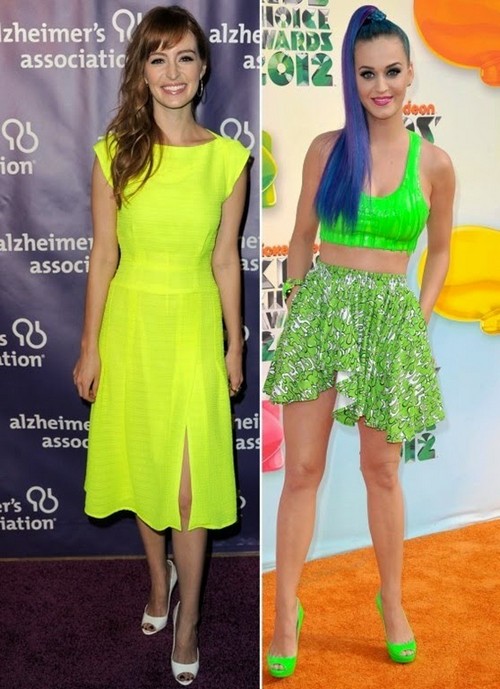
The earlier all-over neon trend has shifted towards a more selective use of vivid accent colour. Shades such as lime, orange, fuchsia, and electric blue are now frequently introduced through dresses, shoes, handbags, nails, and accessories rather than through fully neon outfits. This approach keeps the look current while balancing strong colours with neutral or minimally detailed garments.
Maxi Dresses for Comfort and Style:

The maxi dress continues to hold a strong position in the apparel market because of its comfort, versatility, and feminine appeal. Current versions include relaxed day dresses, occasionwear silhouettes, and column or softly draped forms. These dresses can be styled with flats, sandals, or statement jewellery for both casual and semi-formal use.
Bright Printed Dress Trend:

Bright printed dresses remain popular in spring and summer markets because they combine ease, comfort, and visual impact. Contemporary versions often feature abstract, floral, artisan, or geometric prints. Their light construction and bold surfaces make them suitable for warm-weather dressing and resort-inspired styling.
Colorful Blazer Trend:

The colourful blazer remains a significant trend, especially in oversized and relaxed-tailored forms. It adds structure, contrast, and personality to an outfit and is often paired with denim, dresses, shorts, or tailored trousers. Strong colour works best when balanced with simpler pieces, although fashion-forward styling may also combine it with other bold tones.
Dip Dye Hair Trend:

The earlier dip-dye trend has evolved into a broader movement towards statement hair colour and beauty-led styling. Contemporary versions include colour-tipped, contrast-panel, and softly blended vivid shades. This trend reflects the continuing influence of personalised appearance in fashion presentation, with colours usually chosen to complement the base hair shade and skin tone.
Bold Lip Colour Trend:

Bold lip colour continues to function as a styling accent in fashion-led beauty trends. Shades such as bright coral, hot red, berry, and orange-red remain popular because they add emphasis to otherwise simple looks and reinforce the season’s preference for expressive colour.
Statement Necklace Trend:

Chunky statement necklaces continue to be used as focal accessories. Current styles include oversized metal chains, sculptural forms, gemstone-inspired pieces, mixed materials, and modern pearl interpretations. Such jewellery is most effective when the rest of the outfit is comparatively simple, allowing the accessory to provide the main visual emphasis.
Sheer Fashion Trend:

Sheer fashion remains important in the current market, particularly when combined with layering and more considered styling. Sheer tops, skirts, dresses, and overlay fabrics create lightness and visual depth without necessarily increasing exposure. In practice, these garments are often paired with slips, bodysuits, shorts, or tonal underlayers to maintain comfort, functionality, and modesty.
Latest Upcoming Trends in Apparel Technology
Alongside visible style trends, the apparel market is being transformed by sustainable fibres, recycled materials, bio-based textiles, digital printing, 3D visualisation, virtual sampling, AI-assisted trend analysis, and smart textiles. Brands are increasingly adopting circular design strategies, on-demand production, and data-driven personalisation to improve efficiency, reduce waste, and increase customer satisfaction. These developments show that current fashion trends are shaped not only by aesthetic change but also by innovation in materials, production, and retail technology.
Strategy Behind Changes in Fashion and Trends
Changes in fashion trends are influenced by social, cultural, political, economic, and technological factors. Consumer lifestyles, climate awareness, celebrity culture, digital platforms, global trade, and market competition all affect what becomes fashionable. At the same time, brands respond to demand for novelty, comfort, identity, sustainability, and value. Therefore, the strategy behind new trends and designs involves both creative direction and market intelligence, ensuring that fashion remains responsive to changing customer needs and broader industry developments.
Conclusion
Fashion and apparel technology is evolving through innovation, sustainability, and changing consumer demand. Current trends show a strong focus on comfort, bold styling, digital development, and functional design. Understanding these market shifts helps improve product development, customer satisfaction, and business performance in the modern global fashion industry.
You may also like:
- How Fashion Trends Affect the Environment
- Lab Grown Biological Textiles: Fashion Trends for Future
- Developing Trends in Fashion Retailing in India
- Fashion Trends During the 1900-1920 Decades

Founder & Editor of Textile Learner. He is a Textile Consultant, Blogger & Entrepreneur. Mr. Kiron is working as a textile consultant in several local and international companies. He is also a contributor to Wikipedia.


