
In recent years, LED light therapy has moved from professional clinics into everyday skincare routines. Once considered a high-end treatment reserved for dermatology offices, it is now widely available for at-home use. This shift reflects a growing demand for effective, non-invasive solutions that can deliver visible results without disrupting daily life. For TextileLearner readers, it also reflects the broader consumer shift toward smart textiles, apparel, and wearable wellness products.
Modern consumers are increasingly drawn to technologies that combine scientific credibility with convenience. This is why devices such as led facial mask therapy have become a popular choice for those seeking to improve their skin without relying on complex procedures or costly treatments. That same preference for practical performance is familiar in the textile industry too, where comfort, function, and ease of use often drive adoption.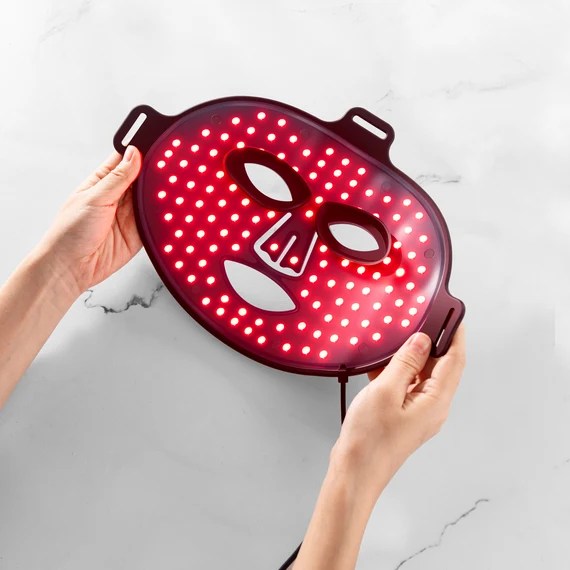
How LED Therapy Works on the Skin
LED light therapy uses specific wavelengths of light to penetrate the skin at different depths, triggering various biological responses. Each type of light serves a different purpose. For example, red light is commonly used to stimulate collagen production and reduce signs of aging, while blue light helps target acne-causing bacteria.
Unlike topical treatments, which work only on the surface, LED therapy interacts directly with skin cells. This interaction supports natural repair processes, enhances circulation, and improves overall skin health. Over time, consistent use can lead to noticeable improvements in tone, texture, and clarity.
Another advantage of LED therapy is its gentle nature. It does not damage the skin or require recovery time, making it suitable for regular use. This makes it particularly appealing for individuals who want effective results without aggressive interventions.
Why LED Devices Are Becoming a Skincare Essential
The growing popularity of LED devices can be explained by their versatility and ease of use. They address multiple skin concerns simultaneously, including aging, acne, and dullness. This makes them a practical addition to any skincare routine.
Additionally, LED therapy offers long-term benefits. Unlike quick fixes that provide temporary improvements, it works gradually to enhance the skin’s natural functions. This results in more sustainable and natural-looking outcomes.
From a user perspective, convenience is a key factor. At-home LED devices allow individuals to maintain consistent treatments without scheduling appointments or visiting clinics. This flexibility encourages regularity, which is essential for achieving optimal results. The same emphasis on convenience can be seen in textile and fashion products, where easy-care materials and functional designs are increasingly valued.
The Role of Technology in Modern Skincare
The integration of technology into skincare routines reflects a broader trend toward smarter, more effective solutions. Consumers are increasingly looking for products that are backed by research and deliver measurable improvements.
LED therapy represents this new approach. It bridges the gap between professional treatments and home care, offering a solution that is both accessible and effective. Its rise also mirrors the growing interest in smart textiles and other technology-led products that blend performance with everyday usability. As awareness continues to grow, it is likely that such devices will become a standard part of modern skincare routines.

Founder & Editor of Textile Learner. He is a Textile Consultant, Blogger & Entrepreneur. Mr. Kiron is working as a textile consultant in several local and international companies. He is also a contributor to Wikipedia.


